Financial Fluency for Engineering Leaders (FinOps)
If you cannot explain the difference between EBITDA and Gross Margin, you cannot be a VP of Engineering. In 2025, cloud costs are the second biggest line item after salaries. Engineering decisions are financial decisions.
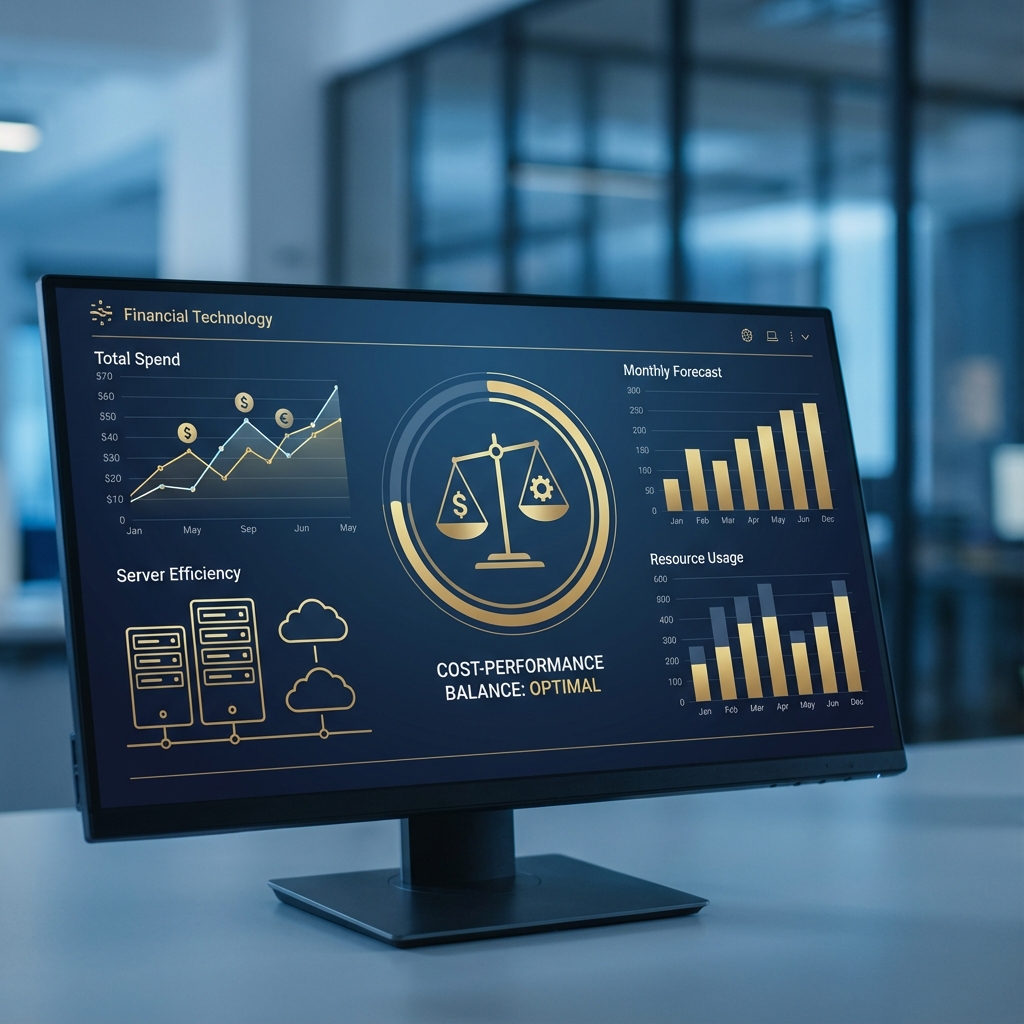
The Two Buckets: COGS vs. R&D
Every dollar you spend falls into one of two buckets:
- COGS (Cost of Goods Sold): Hosting costs required to serve customers (e.g., AWS EC2 instances for production). Investors hate high COGS because it lowers Gross Margin.
- R&D (Research & Development): Salaries of developers building new features. Investors love R&D because it signals growth.
The Trap: If your cloud bill explodes, your Gross Margin crashes, and your company valuation tanks. You need to treat AWS spend as strictly as you treat headcount.
FinOps: The Practice of Cloud Financial Management
FinOps is not about "saving money"; it is about "making money." It asks: "Is this $5000/month Kubernetes cluster driving $50,000 in value?"
Core Principles:
- Tagging is Law: If a resource is untagged, it gets deleted. You must know which team owns the cost.
- Unit Economics: Don't track "Total Cloud Spend." Track "Cost per Transaction" or "Cost per Active User." If users double, spend should go up. That's fine.
CapEx vs. OpEx (The Accounting Trick)
OpEx (Operating Expense): Money spent today (Salaries, Cloud Bill). Hits the P&L immediately.
CapEx (Capital Expenditure): Money invested in assets (Data Centers, "Capitalized Software Labor"). Depreciated over 3 years.
Advanced Move: CFOs love Capitalized Software because it makes the current quarter look profitable. As an engineering leader, you will be asked to track "Time spent building new assets" vs "Time spent on maintenance."
Conclusion
You don't need an MBA, but you need to know enough to defend your budget. When you ask for 5 more headcount, don't say "The team is overwhelmed." Say "investing $1M in these 5 engineers will reduce Churn by 2%, adding $5M in LTV." That gets approved.