Evolution of Design Systems: Beyond Components
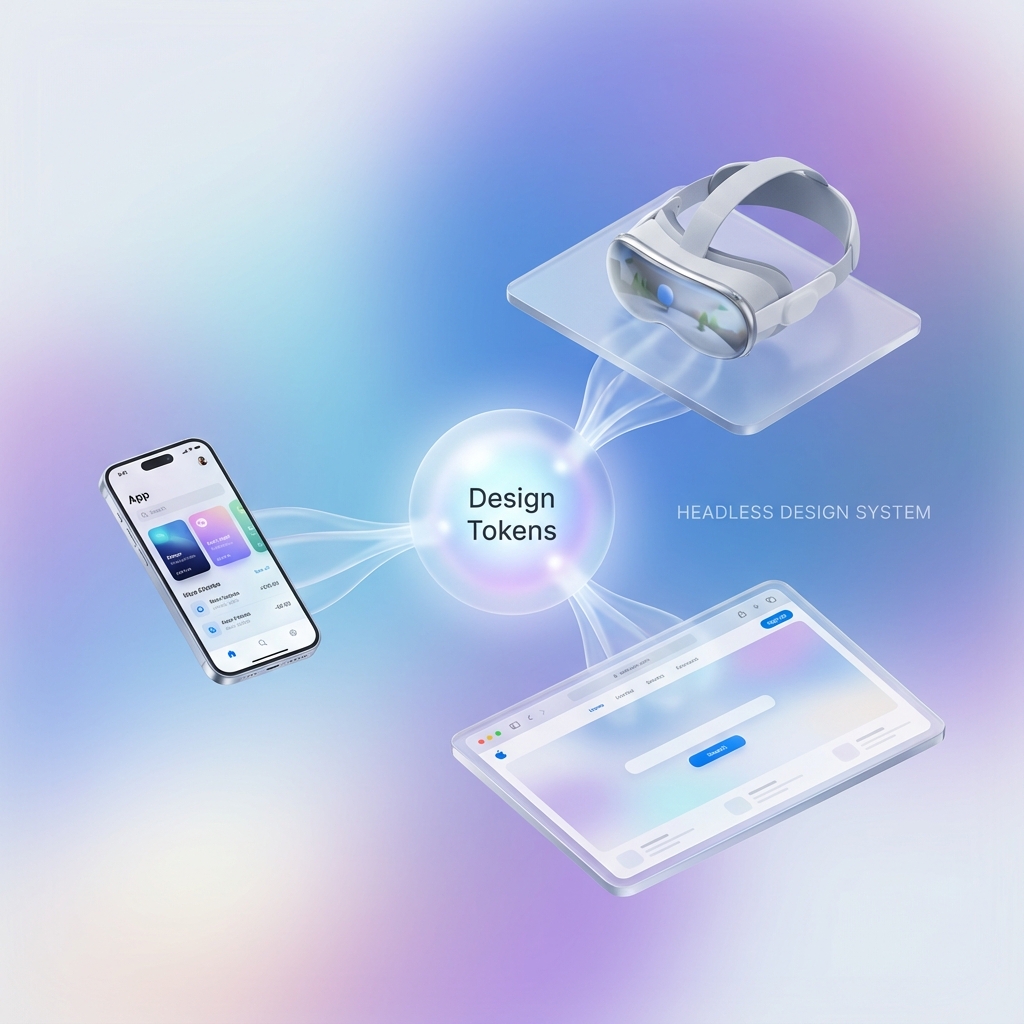
A design system is more than just a Figma file and a Storybook.It's the language of your product. In 2025, we are seeing the rise of 'headless' design systems that can manifest natively across web, mobile, and spatial computing interfaces. The days of manual pixel-pushing are drawing to a close.
From Components to Tokens: The New Atomic Unit
We've moved beyond the atomic design methodology of atoms and molecules. While Brad Frost's methodology served us well, it was inherently visual.The new atomic unit of design is the Design Token .
Tokens capture design decisions—color, spacing, typography, motion, radii—in a platform - agnostic format(typically JSON).This allows a single source of truth to power the entire ecosystem.This isn't just about variables; it's about semantic aliases.
The Token Tiering Strategy
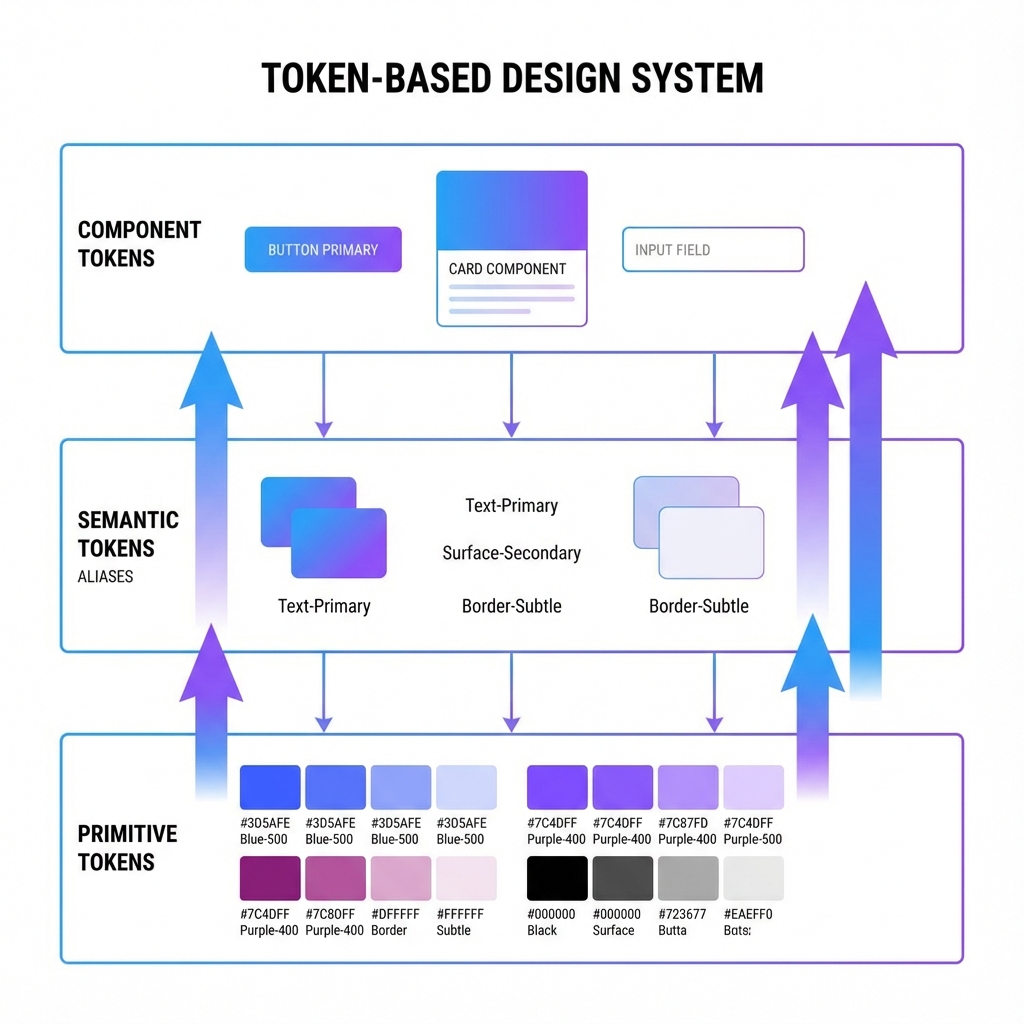
Mature design systems use a multi - tiered token architecture:
- Primitive Tokens(Global): The raw values.
blue-500: #3B82F6. - Semantic Tokens(Alias): The intent.
color-action-primary: {blue-500}.This allows you to change your primary brand color without hunting down hex codes. - Component Tokens(Specific): The context.
button-bg-primary: {color-action-primary}.This is where overrides happen.
This structure allows for "Whitestyling" or "Theming" at scale.Want to support a robust Dark Mode ? High Contrast Mode ? A "Barbie" marketing takeover ? You just swap the Semantic layer.
Headless Design Systems
The component library of 2025 is often "headless"—it provides the logic and accessibility(ARIA states, keyboard navigation, focus management) but no styles.Libraries like Radix UI and React Aria have pioneered this.
This decoupling is critical because "Button" means something different on iOS(SwiftUI) than it does on Web(DOM) or in Unity(C#).By centralizing the behavior and the tokens, we leave the rendering implementation to the specific platform teams, ensuring native performance with consistent branding.
AI - Generated UI and the "System as Constraint"
Here is where it gets wild.With Generative UI(GenUI), we aren't always building screens manually. Sometimes, an AI agent builds the UI on the fly in response to user intent.
In this world, the Design System acts as theConstraint Layer for the AI. We feed the LLM our component definitions and token values. We tell it: "You can build any layout you want to solve the user's problem, BUT you must use these Lego blocks."
// Example: Prompting an AI with System Constraints
const systemPrompt = `
You are a UI generator.
Use ONLY the following components: [Card, Button, Input, Table].
Use ONLY the following spacing tokens: [xs, sm, md, lg, xl].
Theme: "Enterprise Dashboard".
User Request: "Show me a list of recent transactions with a filter."
`;
This ensures that even AI-generated interfaces look and feel like us. It prevents the AI from hallucinating wild styles or breaking brand guidelines.
The Rise of the Design Engineer
The strict separation between "Designer" (Figma) and "Developer" (VS Code) is blurring. The "Design Engineer" sits in the middle. They build the internal tools that allow designers to push changes to production. They maintain the token pipeline. They ensure the Figma UI Kit matches the React components 1:1.
We are seeing tools that sync Figma variables directly to GitHub repositories, triggering CI/CD pipelines that update the design system package. Design is becoming code.
Conclusion
Design Systems in 2025 are infrastructure. They are the API through which product, design, and engineering communicate. Investing in them is no longer optional for scaling teams; it's the only way to maintain velocity and quality in a multi-platform, AI-accelerated world.